The Idea
Gramotsav means the festival of the village
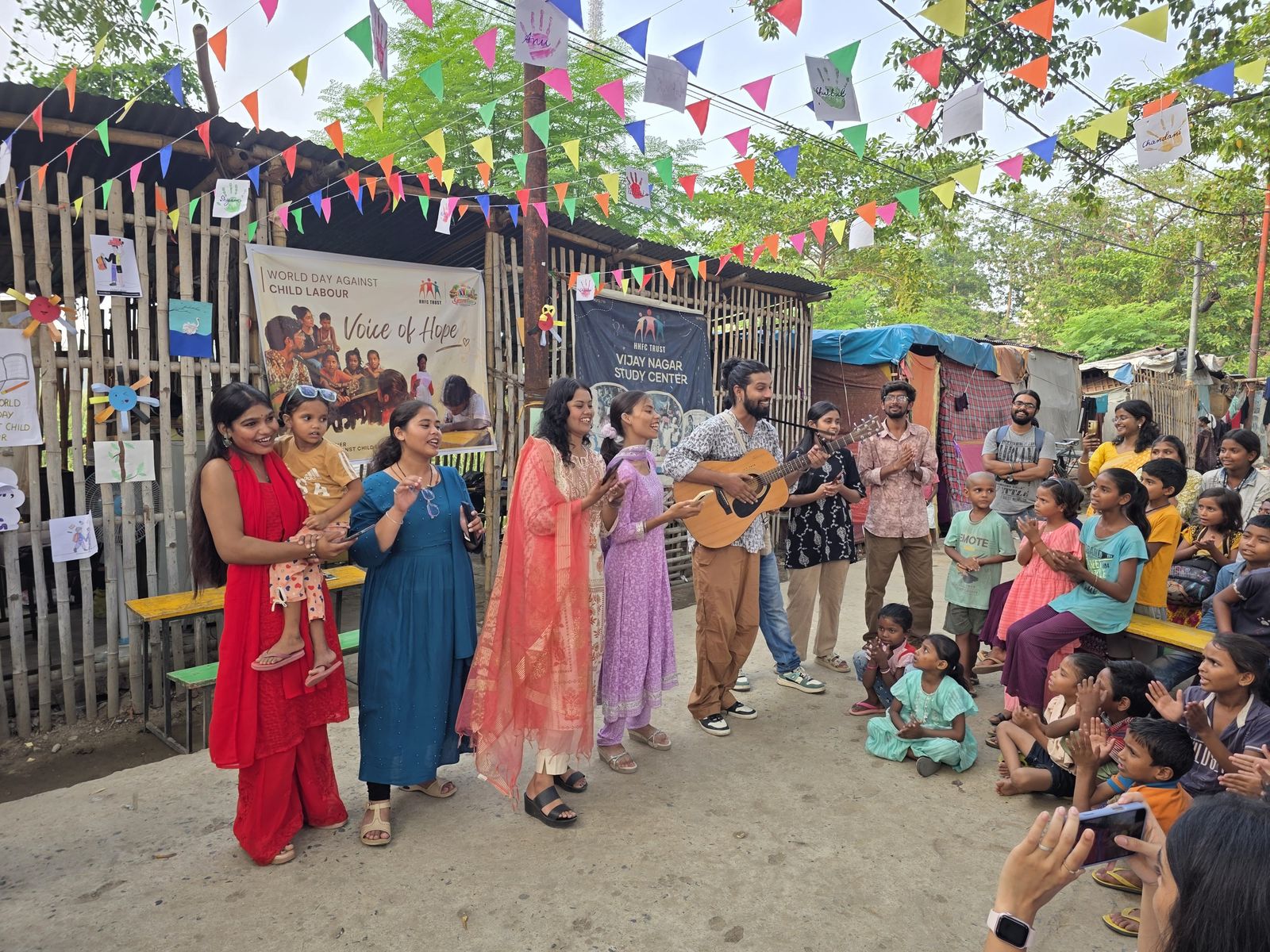
In rural Bihar the gramotsav is the day the whole gaon turns out. People sing, people perform, and the old stories get handed down one more time. It is also where a good many children first find out they have something worth saying out loud.
We think that is roughly how children learn best too. Not sitting still while a syllabus is read at them, but inside something that is actually happening: a lok geet they can join, a taal they can hold on to.
We were incorporated as a Section 8 non-profit company in Patna on 19 March 2026. We are small and we intend to stay specific. Folk culture, inclusive education, and a route from creative skill towards a living: that is the whole remit, and we write every programme up so another organisation could run it without us.
What we set out to do
Our founding objects, as registered in our Memorandum of Association, are:
- To preserve, promote and revitalise the folk traditions and cultural heritage of rural and indigenous Indian communities, and build awareness and appreciation for them across diverse communities.
- To design and implement programmes for holistic development through inclusive platforms that strengthen traditional cultural identity and practices.
- To collaborate with indigenous communities and relevant institutions to integrate arts and culture into educational programmes, fostering holistic wellbeing.
- To promote gender equality by establishing institutional resource centres and community spaces that host educational and cultural activities.