Completed & closed
Learning Through Music
Audio-first music education
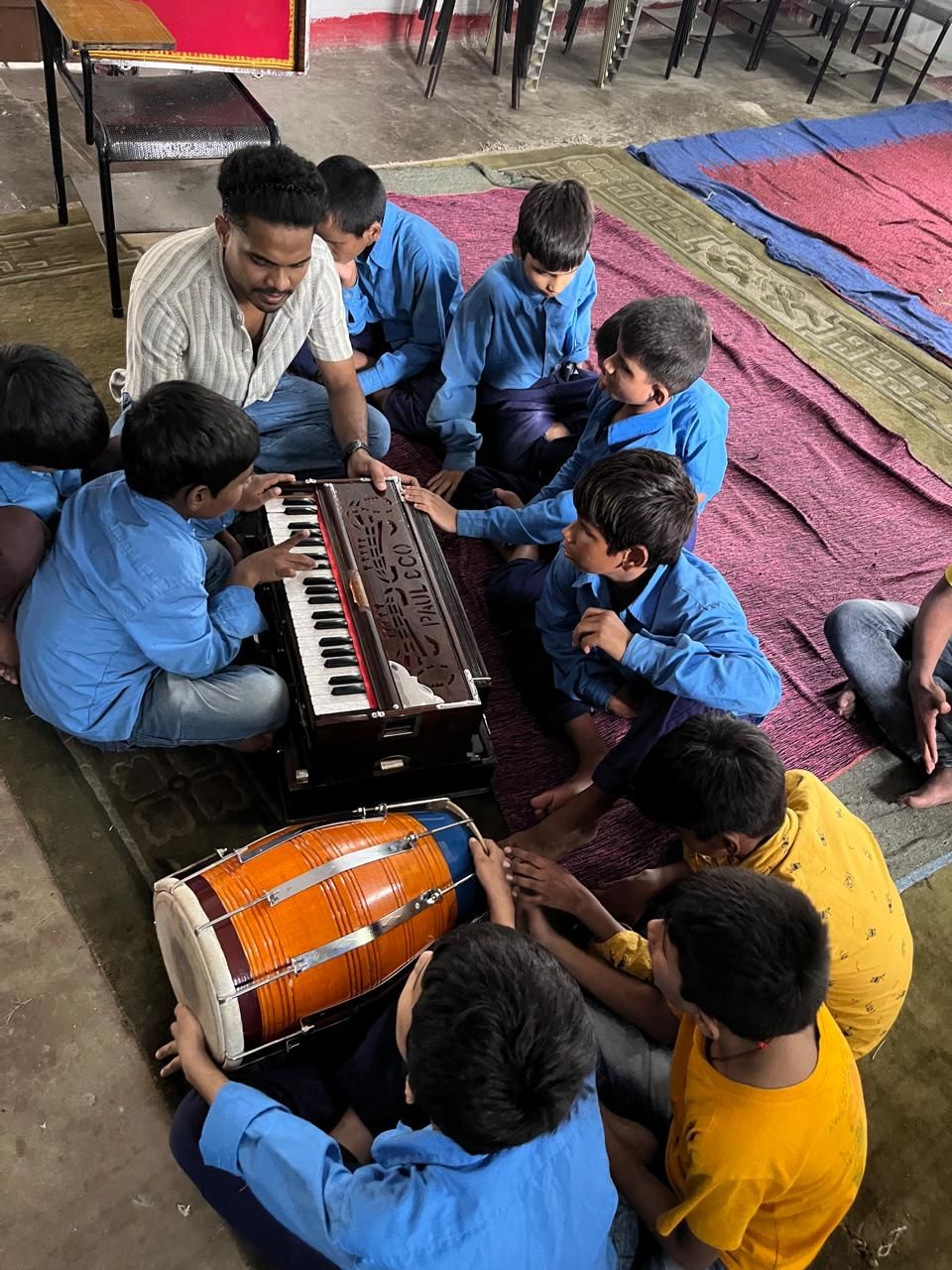
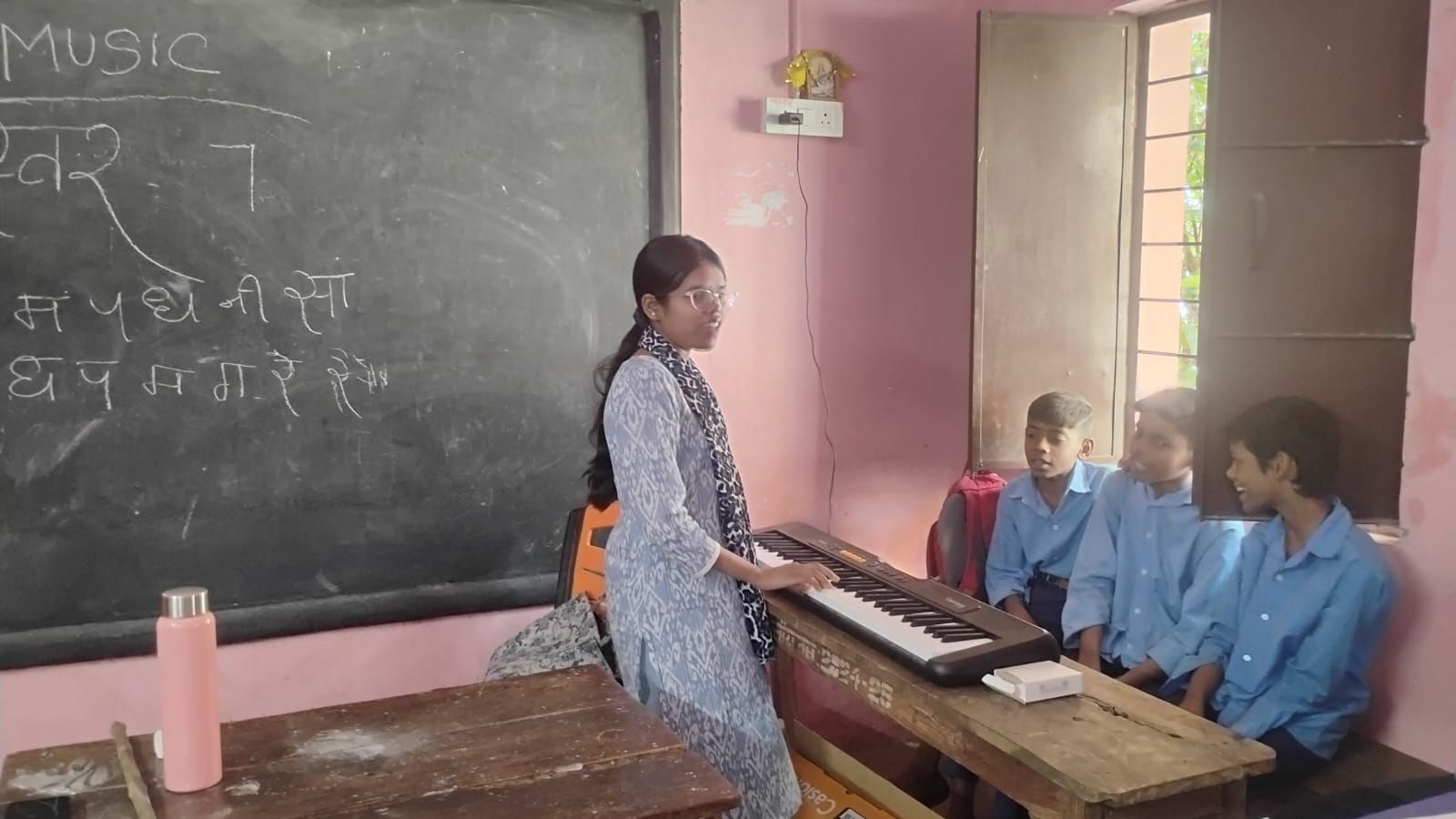
An inclusive creative learning programme for children and young people with visual impairment. Instrument instruction did not depend on Braille notation. Students learned through guided listening, audio demonstration, spoken instruction, repetition, rhythmic cues, musical memory and hands-on practice, moving from solo riyaz into ensemble and band work.
The project period is complete. The full impact and closure report is on this site: approach, journey, outcomes, key learnings and legacy.
Read the closure report →
Seeking partners
Blind School Project
Inclusive education, end to end
A model for blind and visually impaired students that reaches past classroom support: accessible academic material, assistive technology and digital literacy, mobility and independent-living skills, music and the arts, sports and wellbeing, career and vocational exposure, with parent, teacher and community engagement around all of it.
Eight phases over a first year, with a defined monitoring framework and an explicit sustainability strategy, so a school, NGO or CSR partner can take the model on instead of depending on us to run it forever.
Read the concept note →
With government
Music Beyond Vision & Art Beyond Vision
A club inside a government space
A Music and Creative Arts Club for children and young people with visual impairment, proposed to the Department of Social Welfare. The department provides a room, whatever instruments exist, and instructor honorarium support. We bring the audio-first curriculum, the facilitation, the artists, the band work and the documentation.
Twelve months, from setting up the room to mapping out where each student could go next. Built on infrastructure the institution already has, so it does not fall over when a grant ends.
Read the proposal →